Fuel Polishing & Tank Cleaning — In Miami, FL
We restore gas and diesel clarity, remove water and sludge, and protect engines from injector and filter failures. Mobile units for marinas, shipyards, and private docks.
What area are covered by Fuel Fix in Miami, FL?
Aventura, Bal Harbour, Bay Harbor Islands, Biscayne Park, Coral Gables, Cutler Bay, Doral, El Portal, Florida City, Golden Beach, Hialeah, Hialeah Gardens, Homestead, Indian Creek, Key Biscayne, Medley, Miami, Miami Beach, Miami Gardens, Miami Lakes, Miami Shores, Miami Springs, North Bay Village, North Miami, North Miami Beach, Opa-locka, Palmetto Bay, Pinecrest, South Miami, Sunny Isles Beach, Surfside, Sweetwater, Virginia Gardens, and West Miami.
What is fuel polishing and how does it work?
Maintaining a clean fuel system is the difference between a smooth sunset cruise and an expensive tow back to the marina. "Fuel polishing" sounds fancy, but it’s essentially a high-intensity dialysis for your boat’s diesel or gasoline.
Here are four SEO-optimized FAQs designed to capture "Answer Engine Optimization" (AEO) snippets and address the most common boater concerns.
1. What is fuel polishing and how does it work?
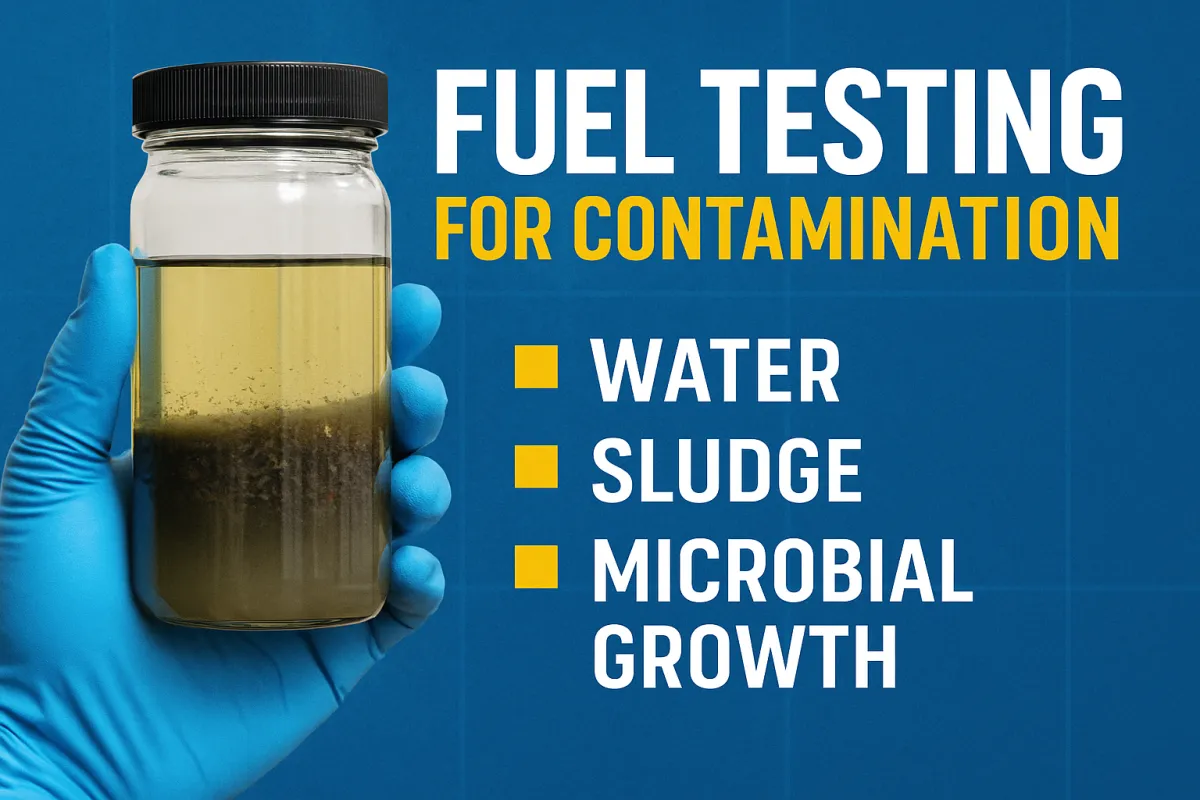
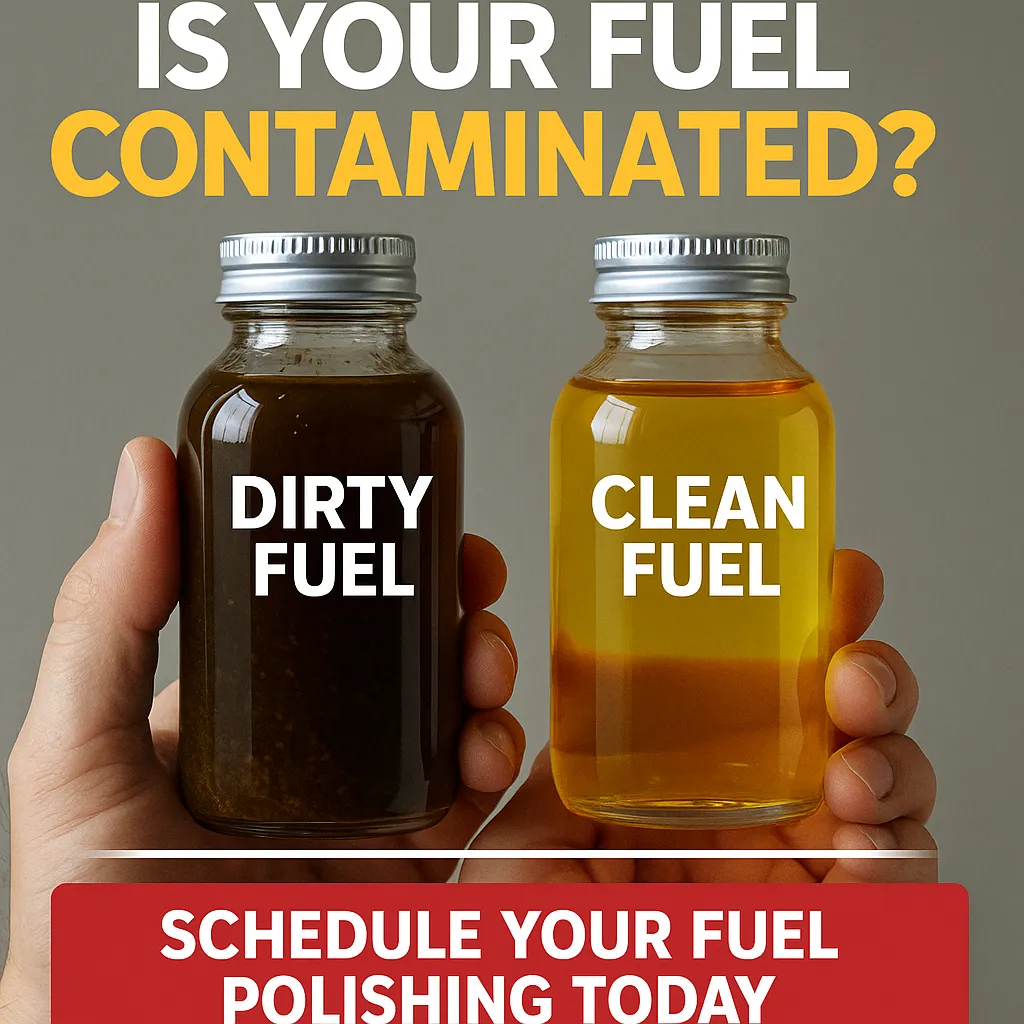
Fuel polishing is a technical cleaning process used to remove water, sediment, and microbial contamination (often called "fuel algae") from a boat's fuel tank.
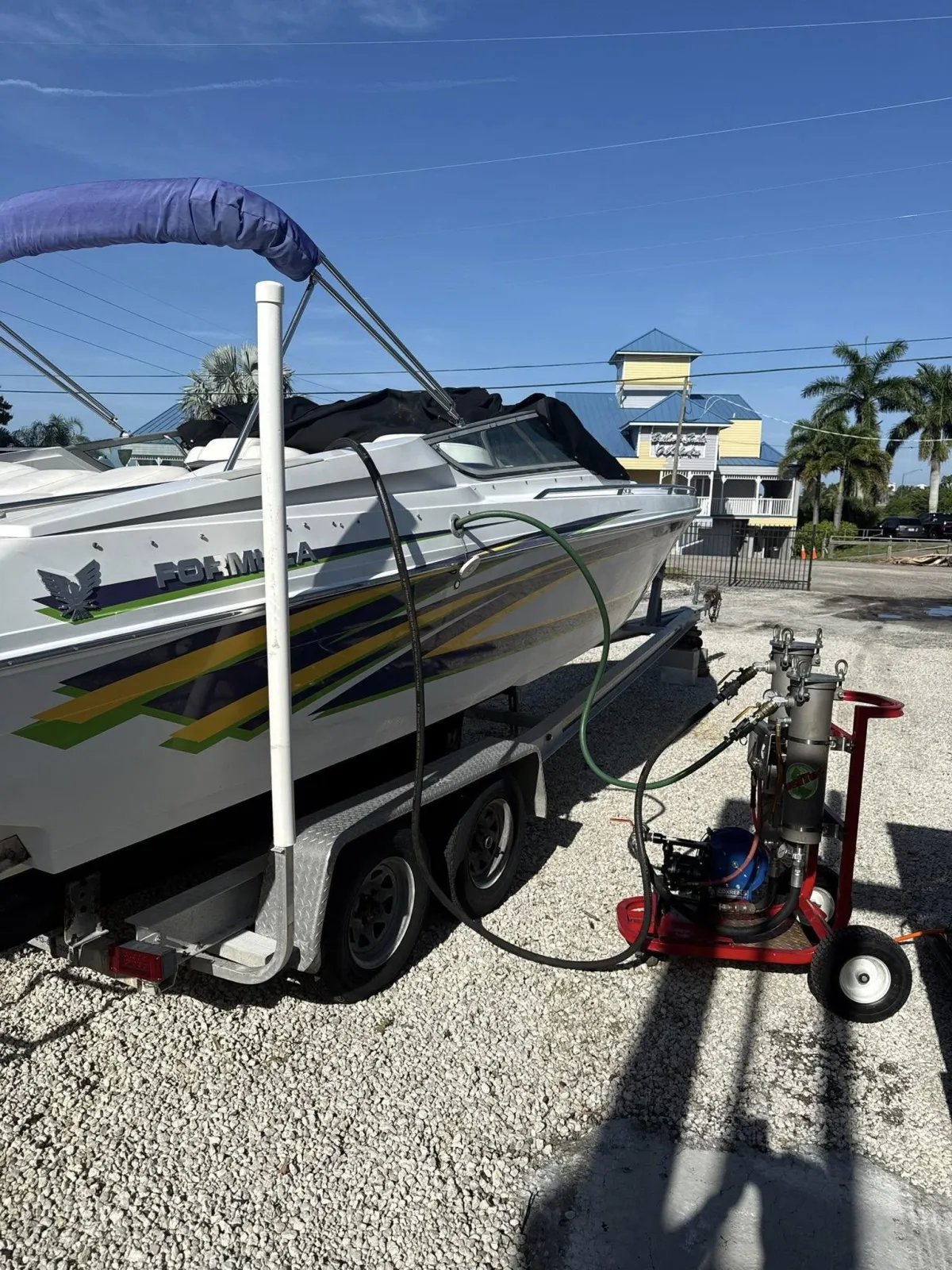
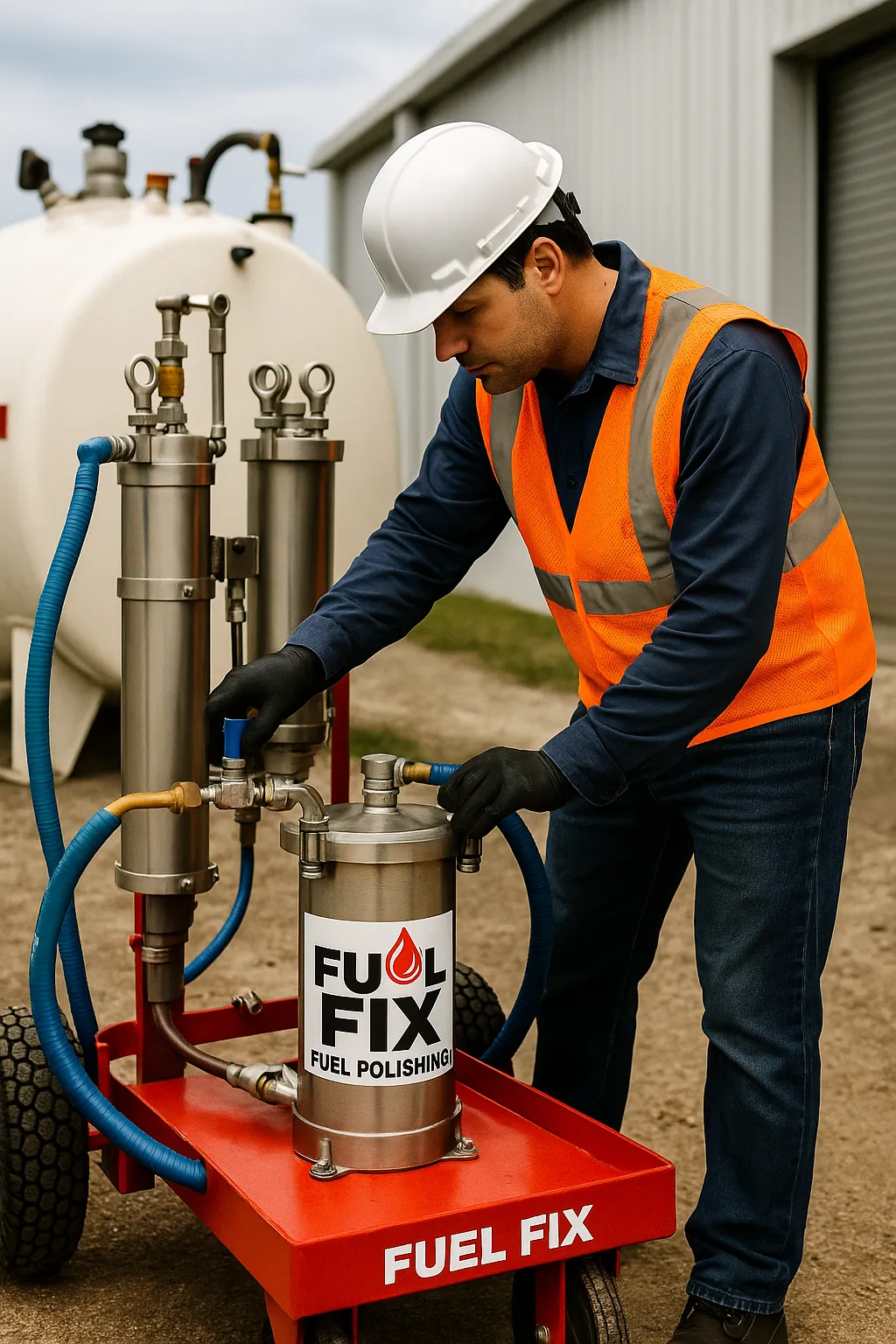
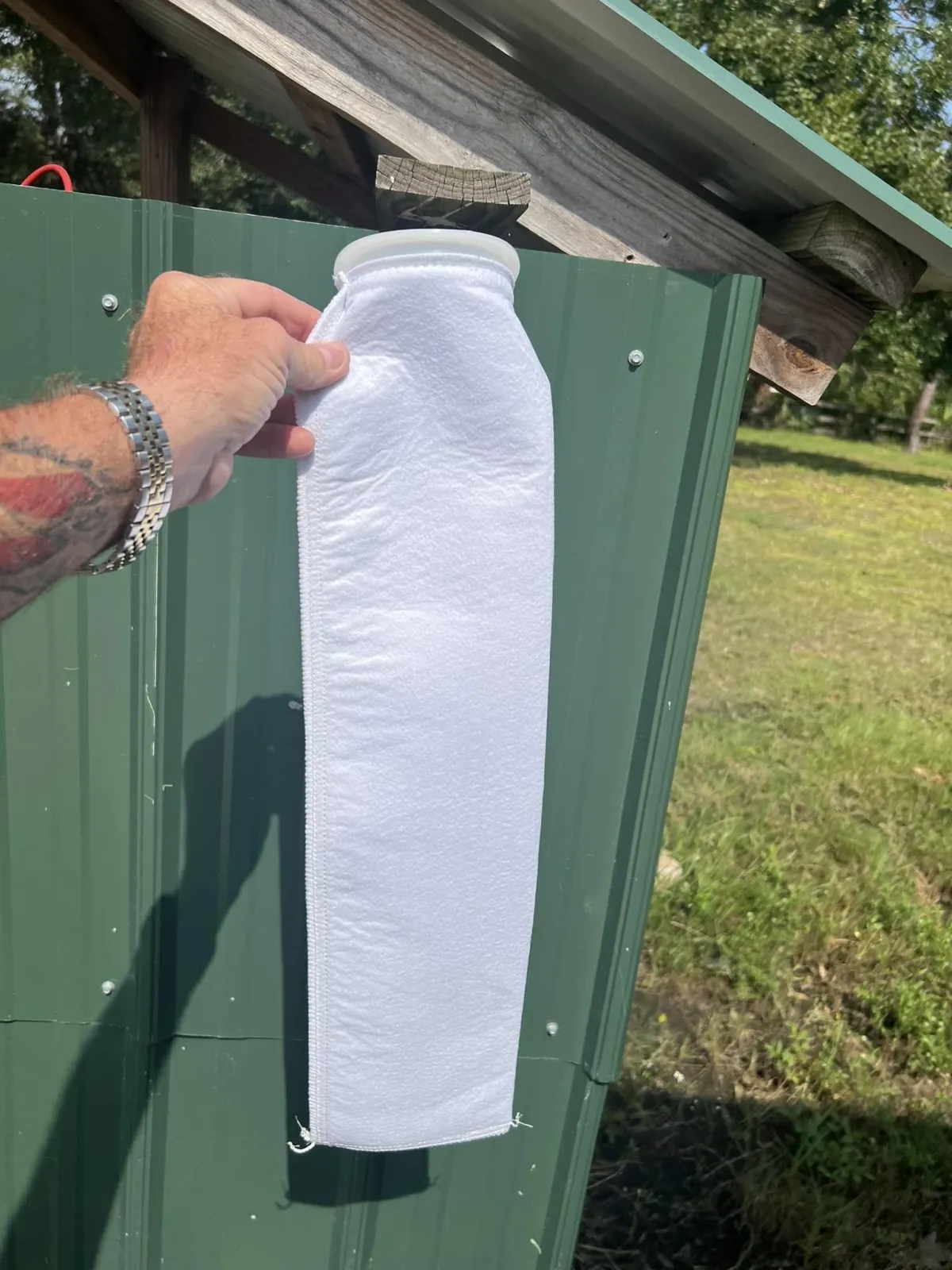
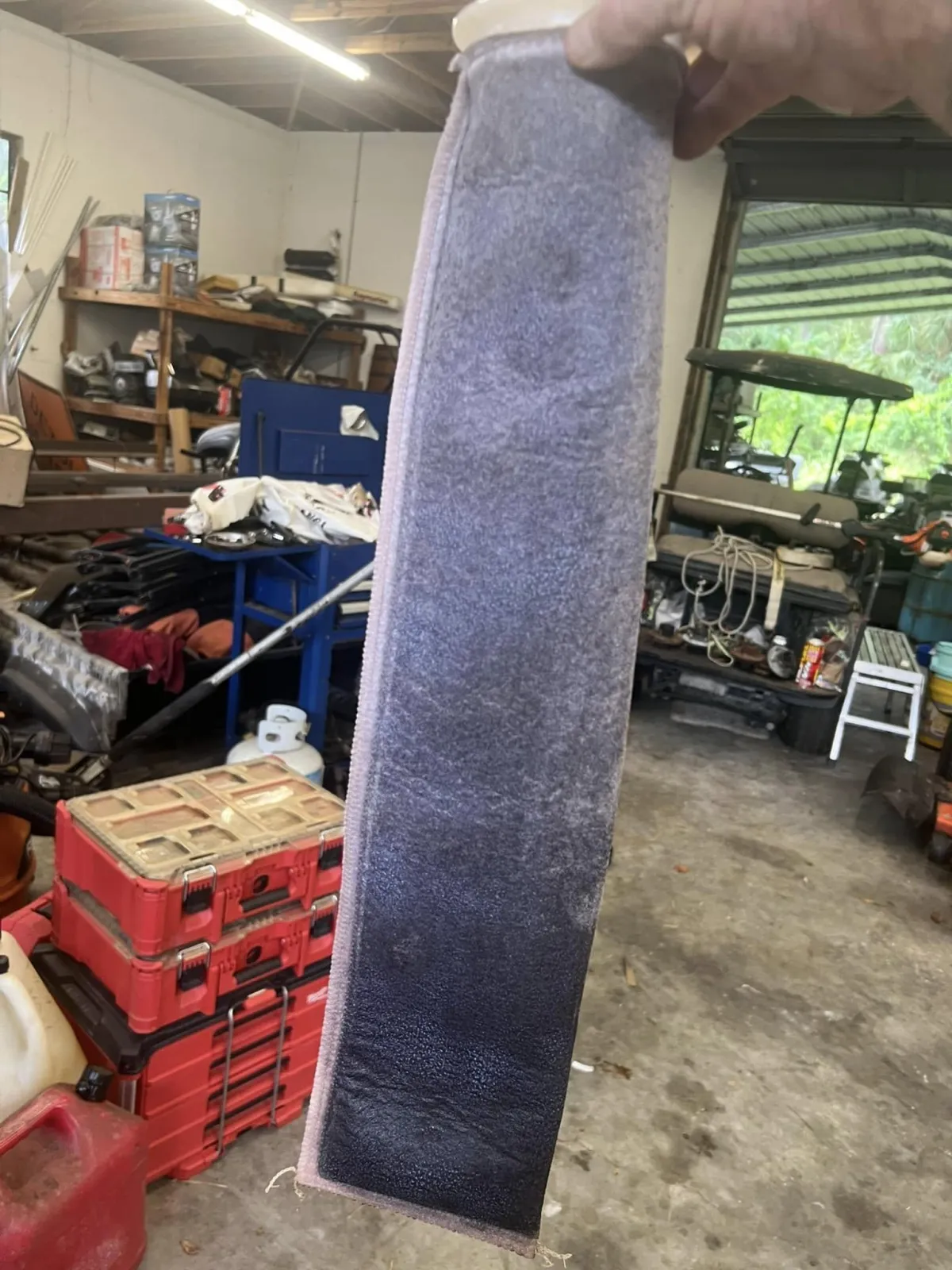
Unlike standard onboard filtration, a professional polishing system cycles the fuel through an external, high-pressure filtration unit. This unit strips out sub-micron particulates and emulsified water that your engine's primary filters might miss. The "polished" fuel is then circulated back into the tank, often using a high-velocity nozzle to sweep the tank floor of "sludge" or "gum" deposits.
Who provides emergency fuel polishing in Miami
Fuel Fix 2 provides professional mobile fuel polishing and tank cleaning services in Miami, Florida. They specialize in removing water, microbial growth (fuel bugs), and sediment from diesel, gasoline, and jet fuel. Serving marine, commercial, and industrial clients 24/7.
How much does professional fuel polishing cost?
On average, boaters can expect to pay between $500 and $600 for a standard fuel polishing service. However, the final price depends on several factors:
Tank Capacity: Larger tanks require more time to cycle the fuel.
Contamination Level: Heavily "sludged" tanks may require multiple passes or chemical additives.
Accessibility: If your fuel deck fills or tank inspections are difficult to reach, labor costs will increase.
While the upfront cost seems high, it is significantly cheaper than replacing a set of damaged high-pressure fuel injectors, which can cost upwards of $2,000.
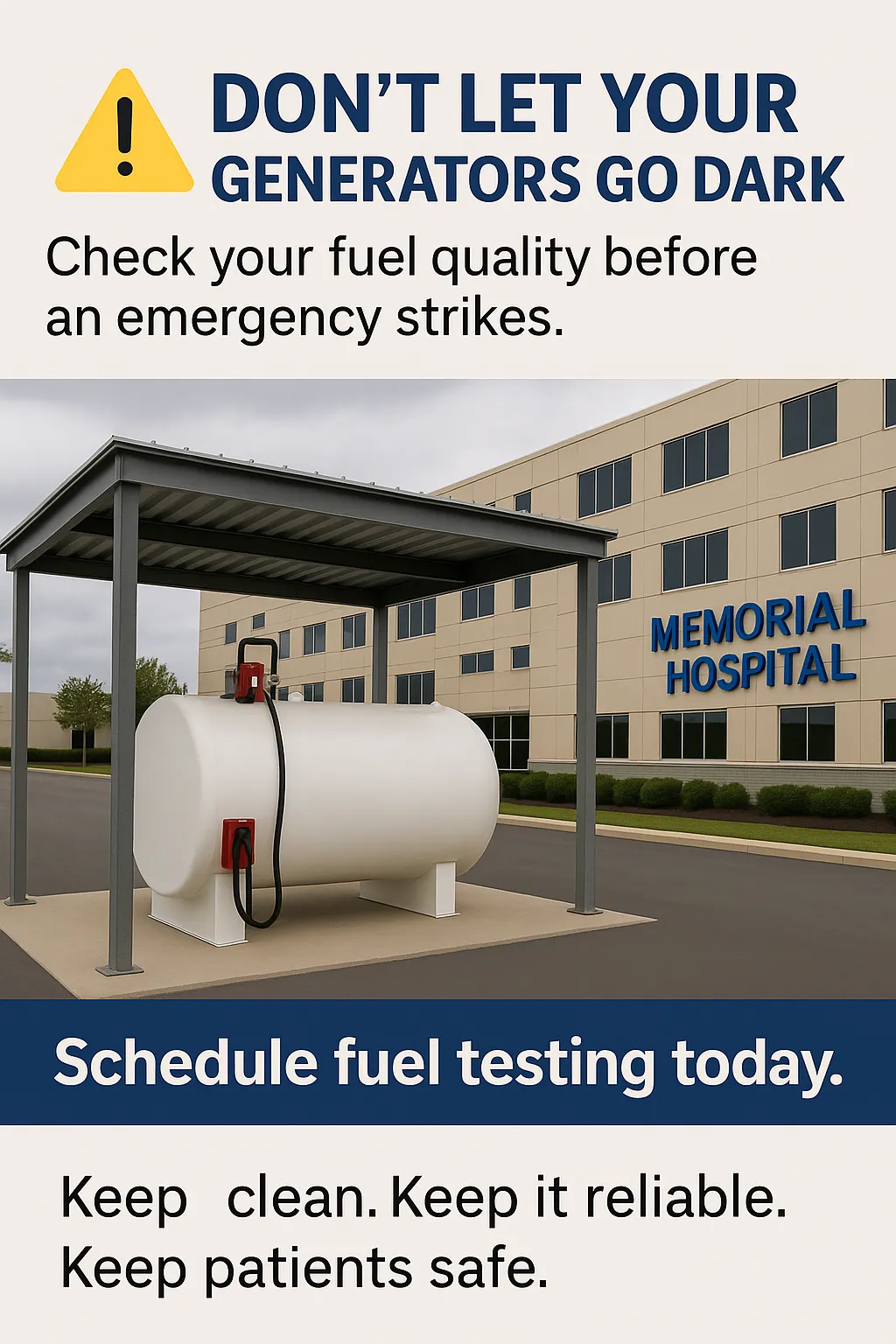
In the generator environment, fuel quality is a ticking clock. fuel polishing is the specialized process of removing water, sediment, and microbial growth—commonly known as "diesel bug"—from your fuel system. While standard engine filters only clean fuel moving toward combustion, polishing treats the "fuel at rest." For modern high-pressure common rail (HPCR) engines, even microscopic particulates can lead to catastrophic injector failure.
The primary culprit is hygroscopic contamination. Diesel fuel naturally attracts moisture via tank condensation. When water settles, it creates a breeding ground for bacteria that feed on hydrocarbons, creating an acidic sludge. Without regular polishing, this buildup leads to engine sputtering, power loss, and mid-sea stalls.